Computer vision & natural-language search
Teaching the search to see
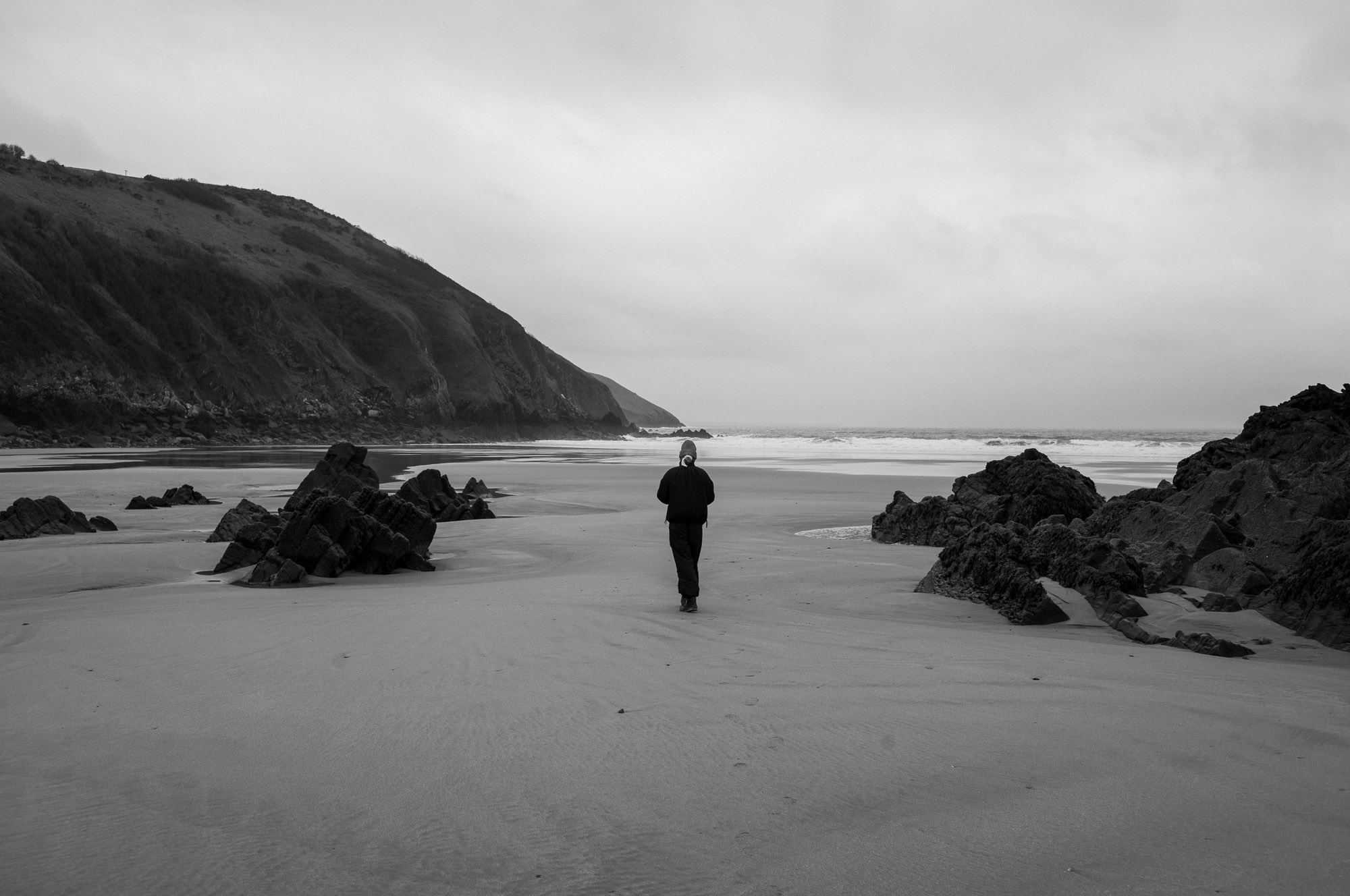
A photograph arrives in an archive mute. The camera names it “L1006050-3.jpg”, which is to say it names it nothing, and the metadata that rides along knows a great deal that is true and almost nothing that is useful: the lens, the aperture, the hour of the afternoon, the make of the body. It knows everything about the photograph except the one thing you actually remember — that it was the empty beach, the flat grey light, the lone figure walking away from you toward the sea. For a long time, search could read everything attached to a picture except the picture itself.
We have always said, with a small and forgivable sleight of hand, that Spaces searched “the photographs and what is in them.” What it really read was the label on the tin — the camera, the place a satellite pinned to the file, the date. Useful, often enough, but it was knowing a picture the way you know a stranger from their passport. The image itself, the actual silver of it, went unread.
Now it reads the tin. When a photograph lands in your Spaces, it is looked at — genuinely looked at — and set down in plain language, not a thin scatter of keywords but a sentence, the kind you would murmur to someone leaning over your shoulder. Of that beach frame, unprompted, it wrote: a solitary figure walks along a desolate beach under a cloudy sky, with rugged cliffs and scattered rocks framing the scene. It noticed the cliffs. It noticed the mood. Nobody told it to.
Which means you can now ask for a picture the way you would ask a colleague who has seen every one you own and forgotten none of them. The one on the empty beach. The black-and-white shot of the flowers. The crowd at dusk. You type the thing you remember, and the thing you remember is what comes back. The filename, it turns out, never mattered. The picture always did.
The part we are quietly proud of sits underneath all of this, and it matters more by the month. Your photographs are read by our own artificial intelligence — open-source software we run ourselves, not handed off to one of the big commercial services to digest on terms you never set. Nothing trains on them. No machine grows cleverer on your clients’ faces or your unreleased work. They are not mined, not sold, not quietly turned into someone else’s product. They are looked at, described, and left exactly as they were — your files, on your account, seen by no one who has any business seeing them. When the work is your craft and your clients’ trust, that is the only arrangement we think is decent, and, increasingly, the only one worth having.
And this is only the first room of a larger house. The same faculty that reads a photograph will, before long, read the scanned contract and the handwritten note that plain text search could never crack, until everything you keep here can be found for what it is rather than what it happened to be called.